
vanilla sponge cake recipe disasters are usually the same story, right? The cake looks fine in the oven, then it sinks, turns rubbery, or tastes kind of plain and sad. I have been there, pulling a “meh” cake out of the pan and pretending it was meant for cake pops. Over time I found a few simple habits that changed everything, and now this is my go to bake when I need something soft, light, and reliably good. In this post, I am sharing 10 simple tips that make a real difference, plus the ingredients and my favorite ways to finish it.
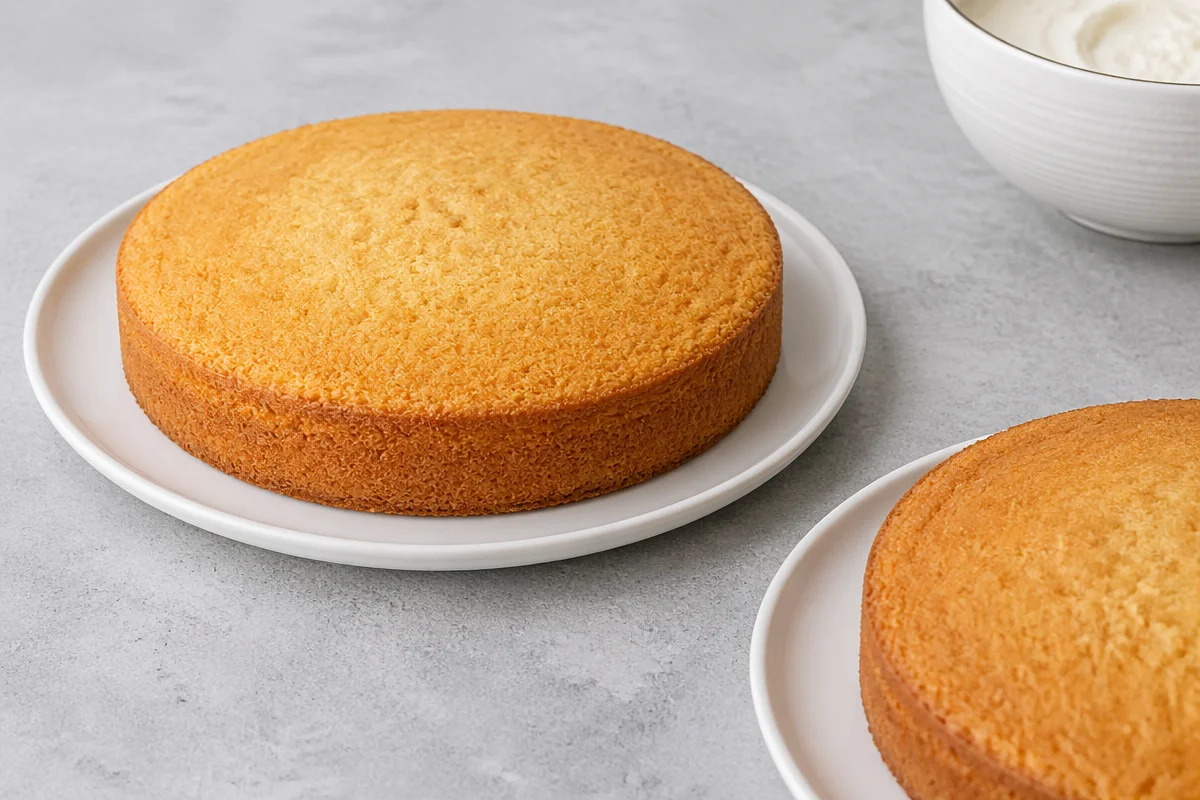
Tools for making sponge cake
I am not a “buy every gadget” person, but sponge cake does better when you use a few basics. The good news is you probably already have most of them. When people tell me their sponge cake comes out dense, it is often because the mixing or measuring was a little off, not because they lack talent.
Here is what I reach for every time. Nothing fancy, just dependable.
- Kitchen scale or measuring cups: a scale is the easiest way to be consistent, but cups work if you measure carefully.
- Two mixing bowls: one for wet, one for dry, or one for eggs and sugar if you separate steps.
- Hand mixer or stand mixer: you can whisk by hand, but your arm will hate you.
- Fine mesh sieve: for sifting flour and keeping the crumb light.
- Rubber spatula: for gentle folding without knocking the air out.
- 8 inch or 9 inch cake pans: choose one size and stick to it so your bake time stays predictable.
- Parchment paper: a simple round in the bottom saves so much stress.
- Cooling rack: helps the cake cool evenly so it does not get soggy underneath.
If you only upgrade one thing, make it parchment paper. The first time a delicate sponge slides out cleanly, you will feel like a baking wizard in your own kitchen.
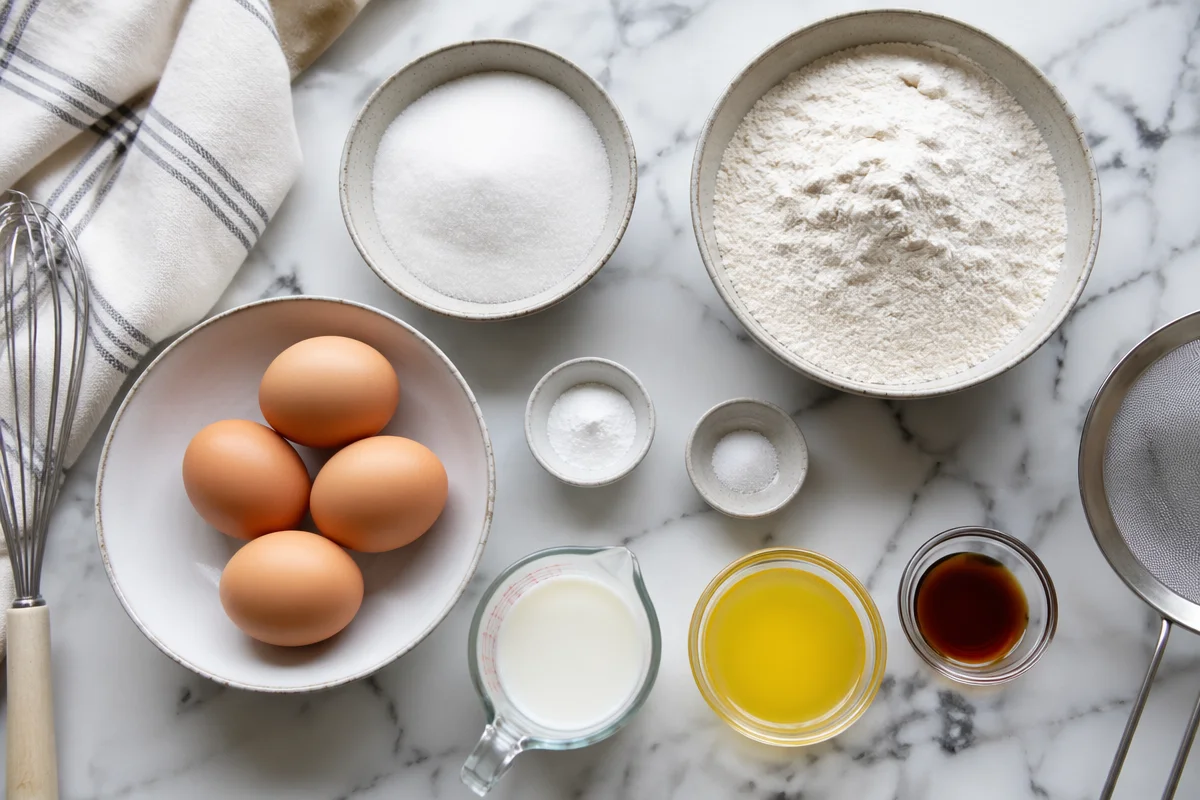
Tips for Vanilla Cake success
This is where the magic is. These are the little moves that turn an okay cake into the kind you keep “taste testing” while it cools. I am calling them simple tips, but they really are the backbone of the best vanilla sponge cake recipe results.
1) Start with room temperature eggs
Cold eggs do not whip as nicely. If you forgot to take them out, put the eggs in a bowl of warm water for 5 to 10 minutes. Not hot, just pleasantly warm.
2) Whip the eggs and sugar until they look fluffy and pale
This step matters a lot for sponge texture. You want it to look lighter in color and a bit thicker, like it leaves a soft trail when you lift the beaters. That air is what helps the cake feel light.
3) Sift the flour and add it gently
I used to skip sifting and wondered why my sponge felt heavy. Now I sift, then fold slowly with a spatula. If you stir hard, you push out the air you just worked for.
4) Do not overmix once flour goes in
Once you stop seeing dry flour streaks, stop. Overmixing is one of the fastest ways to get a chewy cake, and nobody is asking for chewy sponge.
5) Use real vanilla and a small pinch of salt
Vanilla extract (or vanilla bean paste) gives that warm bakery smell. And salt is not optional to me. It makes the vanilla taste more like vanilla.
Now for the rest of my 10 tips, quick and practical.
6) Preheat your oven fully. Do not rush it. A sponge needs steady heat from the start.
7) Do not slam the oven door. I know it sounds silly, but a sudden jolt can make a delicate cake fall.
8) Check doneness the simple way. Gently press the center, it should spring back. Or use a toothpick, it should come out clean or with a few soft crumbs.
9) Cool it the right way. Let it sit in the pan about 10 minutes, then turn it out onto a rack. Too long in the pan can make it damp.
10) Wrap and rest for cleaner slicing. If you have time, wrap the cooled cake and let it sit for a few hours. The crumb settles and slices like a dream.
Those small habits are why my vanilla sponge cake recipe feels dependable now. I can bake it for birthdays, potlucks, or just because I want cake with coffee on a random Tuesday.
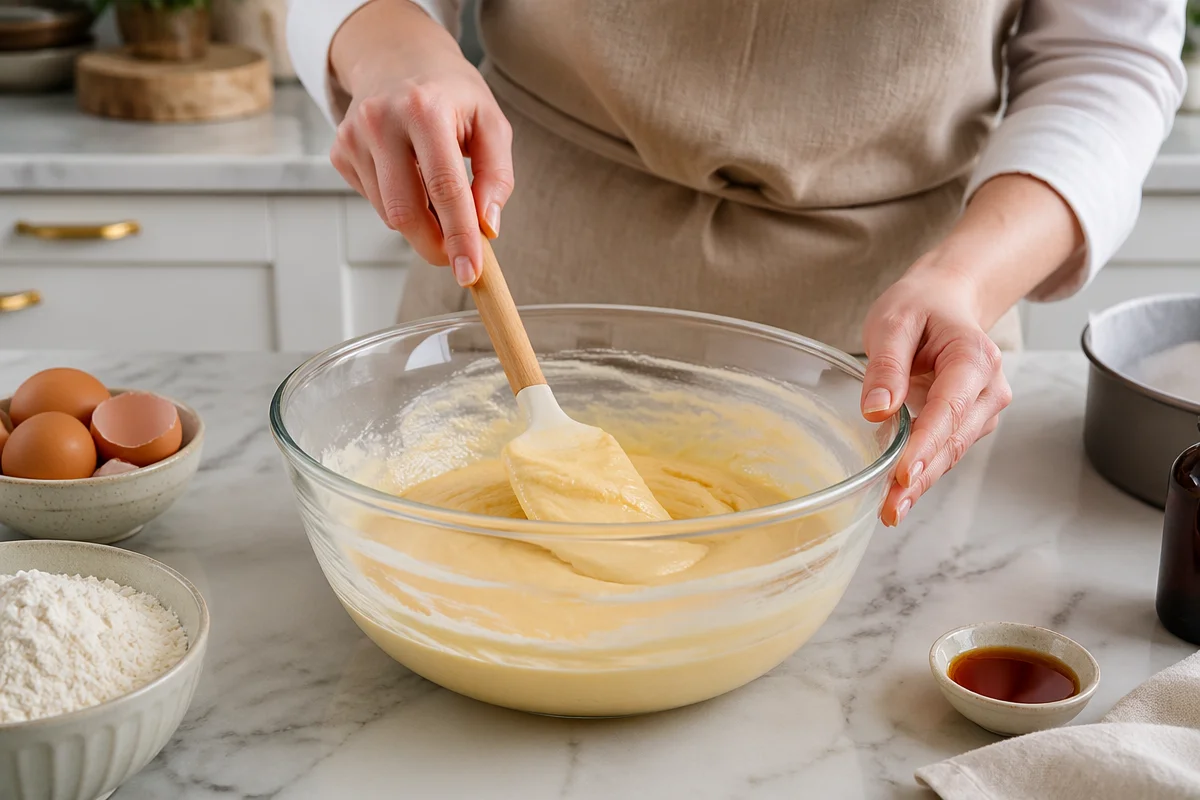
Ingredients in my Best Vanilla Cake recipe
I like keeping this ingredient list simple. No weird stuff, no long shopping trip. You can absolutely make this with pantry basics, and it still tastes like something you would proudly serve.
Here is what I use for one standard cake, baked in two 8 inch pans or one taller 9 inch pan depending on what you want.
- Eggs: 4 large
- Granulated sugar: 1 cup
- All purpose flour: 1 cup, sifted
- Baking powder: 1 teaspoon
- Salt: 1 small pinch
- Milk: 1 by 4 cup
- Melted butter or neutral oil: 3 tablespoons (butter gives more flavor, oil keeps it extra moist)
- Vanilla extract: 2 teaspoons
Quick notes from my own kitchen:
If you want a slightly richer taste, use butter. If you are making it a day ahead and want it super soft, use oil. Also, measure the flour gently. If you scoop hard and pack it in, the cake can turn heavy. When I am trying to be extra consistent, I use a scale and it saves me from “oops” moments.
What fillings and frostings are good on Vanilla Sponge Cake?
This is the fun part because sponge is basically a blank canvas, but a really delicious one. The best combos are the ones that add flavor and moisture without crushing the light texture.
Here are my favorites, depending on the mood and who I am serving:
Fresh berries and whipped cream: classic for a reason. Strawberries, raspberries, or a mix. Add a thin layer of berry jam if you want more punch.
Chocolate ganache: if you like the vanilla and chocolate combo, go for it. Let the ganache cool a bit so it thickens before spreading.
Vanilla buttercream: sweet, familiar, and party friendly. If you think buttercream is too sweet, beat in a spoonful of cream cheese or add a pinch more salt.
Lemon curd: bright and tangy, especially good in spring. I like to pair it with whipped cream to keep it light.
Custard or pastry cream: this makes it taste like a bakery slice. Keep the layer thin so it does not slide around.
One small tip that helps a lot: brush the cake layers with a little milk or simple syrup before filling. Not soaking, just a light swipe. It keeps the sponge dreamy, especially if you refrigerate the finished cake.
And yes, this vanilla sponge cake recipe is sturdy enough to stack, as long as you chill the filled cake for 20 to 30 minutes before frosting the outside.
Can I make other cake flavors with this recipe?
Yes, and this is one of the reasons I love keeping this base in my back pocket. Once you feel comfortable with it, you can tweak the flavor without changing the whole method.
Here are a few easy swaps I have done at home:
Lemon sponge: add 1 tablespoon lemon zest and replace a little vanilla with 1 to 2 teaspoons lemon juice. Lemon plus berries is a guaranteed win.
Orange vanilla: orange zest with vanilla is cozy and sweet. It smells amazing while baking.
Chocolate version: replace 1 by 4 cup of the flour with unsweetened cocoa powder. Sift it well so it does not clump.
Almond: use 1 teaspoon almond extract instead of some of the vanilla. Almond can be strong, so do not overdo it.
Spice twist: add a little cinnamon, maybe a pinch of nutmeg. It turns the cake into something that feels like a warm hug.
The main thing is to keep the dry to wet balance close to the original. Tiny changes are safer than dumping in a bunch of extra ingredients. If you want to experiment, start small and take notes, even if it is just a quick line on your phone.
Common Questions
Q: Why did my sponge cake sink in the middle?
A: Usually it is underbaked, the oven door got opened too early, or the batter was mixed too aggressively after adding flour. Next time, give it a few extra minutes and avoid peeking until near the end.
Q: Can I bake this in a single pan instead of two layers?
A: Yes. Use a deeper pan if you have one and expect a longer bake time. Keep the oven temp the same, but start checking for doneness later than you normally would.
Q: How do I keep the cake soft the next day?
A: Wrap the cooled layers tightly in plastic wrap. If it is already frosted, store it in a covered container. Sponge cake dries out when it is exposed to air.
Q: Can I freeze it?
A: Totally. Wrap the cooled cake layers well, then freeze up to about a month. Thaw at room temperature still wrapped so moisture stays in the cake.
Q: What if I only have vanilla essence, not extract?
A: You can use it, but the flavor is usually weaker and sometimes a little artificial. If you can, upgrade to pure vanilla extract when you run out. It makes this vanilla sponge cake recipe taste much more special.
A sweet final note before you bake
If you remember nothing else, remember this: whip well, fold gently, and do not rush the cooling. Those three things will take you far. Once you get comfortable, you will find this vanilla sponge cake recipe is the kind you can dress up for guests or keep simple with powdered sugar. Try it once, take a little note of what you loved, and make it again your way. I hope your kitchen smells like warm vanilla soon.
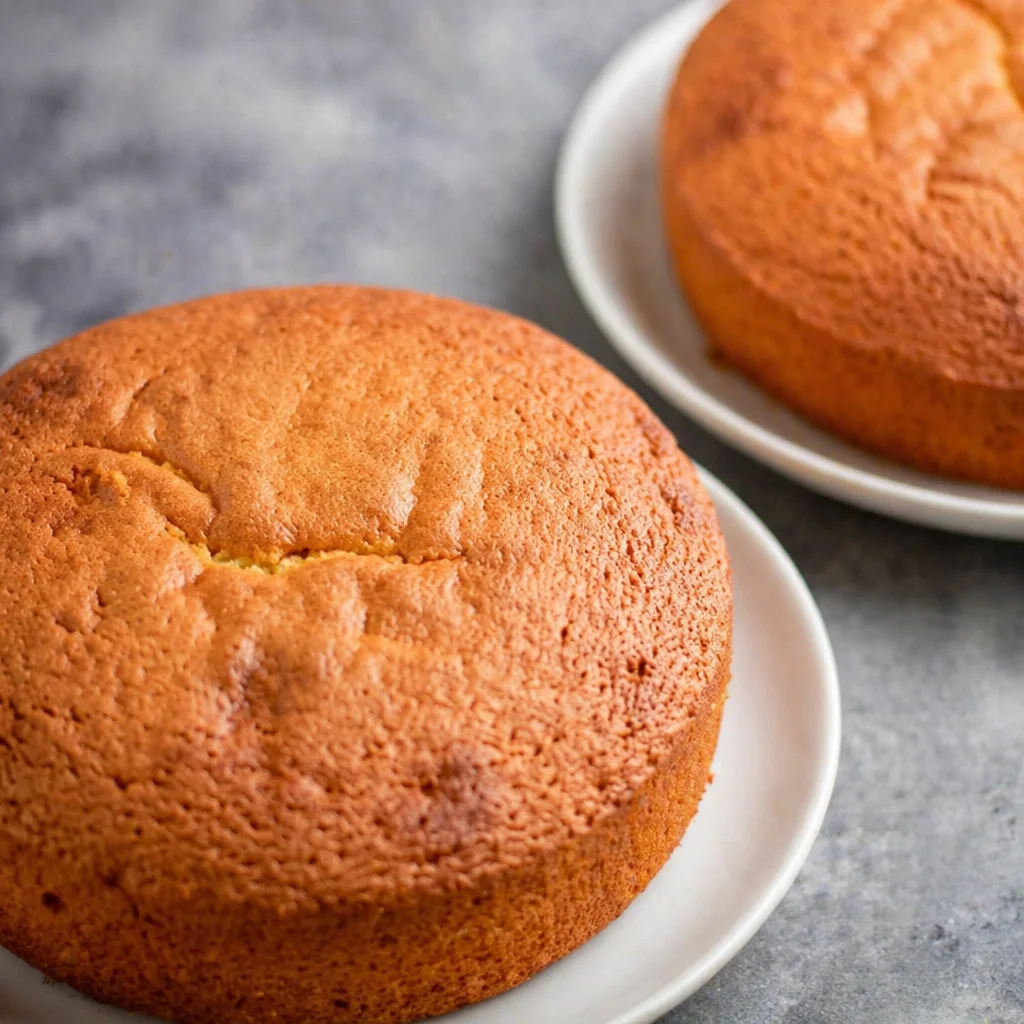
Vanilla Sponge Cake
Ingredients
Method
- Preheat the oven fully.
- In a mixing bowl, whip the eggs and sugar until fluffy and pale.
- Sift the flour and baking powder together.
- Gently fold the flour mixture into the egg mixture until just combined.
- Add the milk, melted butter or oil, salt, and vanilla extract. Fold gently.
- Pour the batter into prepared cake pans.
- Bake in the preheated oven for approximately 30 minutes, or until a toothpick comes out clean.
- Let the cake cool in the pans for 10 minutes before transferring to a cooling rack.
Notes

Name: Yumi HwagByline: Founder & Recipe Developer, YumimealsBio : Yumi tests weeknight-friendly air fryer, slow cooker, and BBQ recipes in a small home kitchen. She focuses on simple steps, real-family testing, and clear food-safety guidance. Contact: [email protected]