
vanilla cake without eggs is the kind of recipe you only think about when you really need it. Like when you promised a cake for tonight, then realized you are out of eggs, or someone in your house cannot eat them. I have been there, standing in front of the fridge doing the little door scan twice, hoping an egg magically appears. The good news is you can still get a soft, sweet, classic vanilla cake with a tender crumb, even without eggs. I make this one a lot, and it has saved more birthdays and last minute dessert plans than I can count. Let me walk you through it like I would if you were in my kitchen with me.
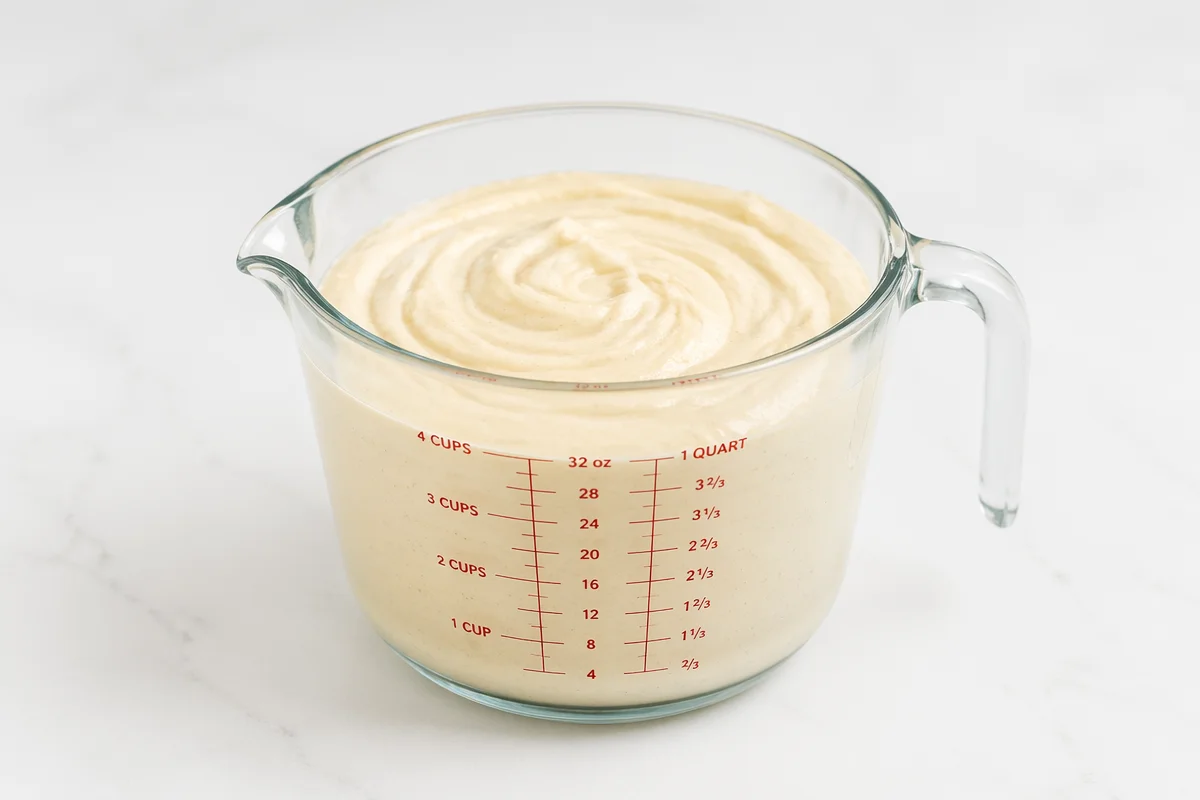
Ingredients Notes & Substitutions
This is where most eggless cakes go wrong, so I want to be super clear. Eggs usually add structure and moisture, so we replace those jobs with a couple simple things. Here is what I use and why, plus some easy swaps if you do not have everything.
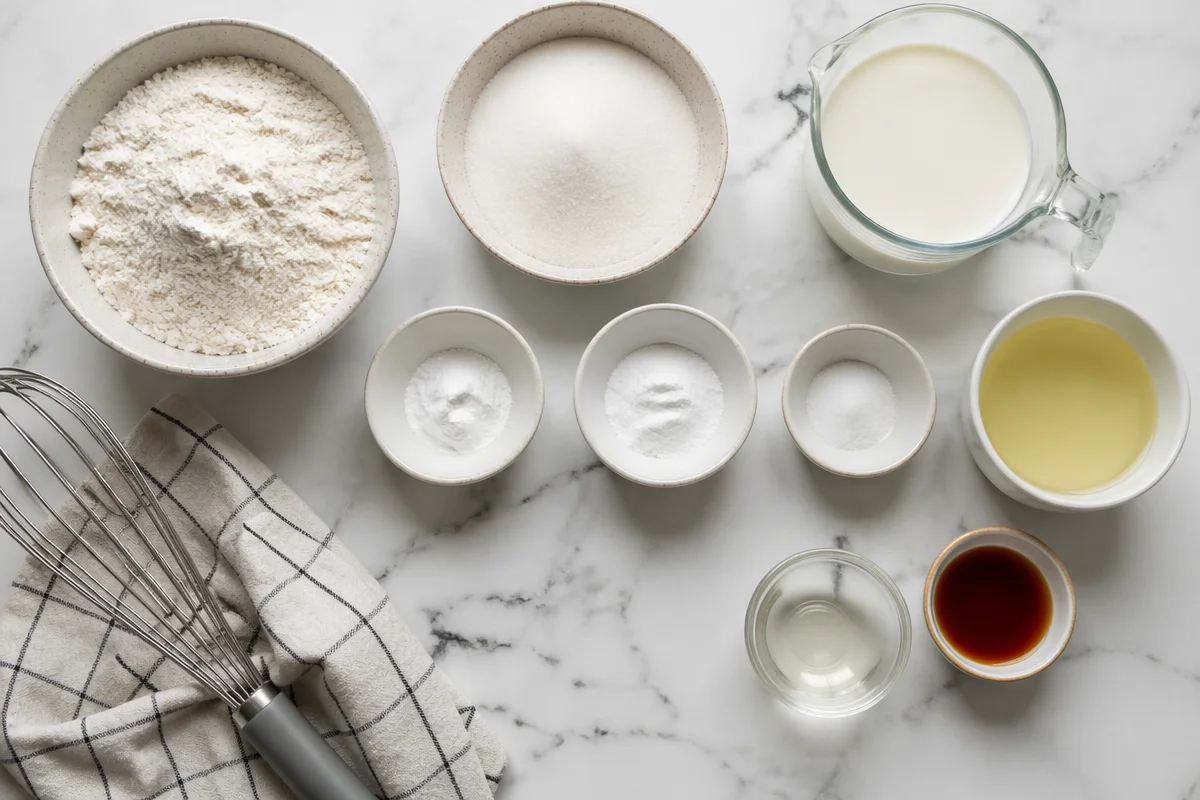
What you will need for my everyday egg-free vanilla cake
- All purpose flour: Gives the cake structure. If you want it extra light, sift it once.
- Sugar: Regular white sugar keeps the flavor clean and lets the vanilla shine.
- Baking powder and a pinch of baking soda: They help lift the batter since we do not have eggs for that.
- Salt: Just a little. It makes the vanilla taste more like vanilla.
- Milk (dairy or non dairy): Adds moisture. Room temp is best.
- Neutral oil (or melted butter): Oil keeps it soft even the next day. Butter adds more flavor, so choose your vibe.
- Vanilla extract: Use the good stuff if you can. This is a vanilla cake, after all.
- Vinegar or lemon juice: Sounds weird, but it reacts with baking soda and helps create a fluffy crumb. You will not taste it.
My favorite swap when I am out of milk is to use half yogurt and half water. It adds a little tang and makes the cake taste like it came from a bakery. Also, if you want a richer flavor, do half oil and half melted butter.
Since you are already in cake mode, you might also like a cozy drink to go with it. I usually make something simple while the cake cools. Here is one I love: my quick homemade vanilla latte. It is easy and it makes the kitchen smell amazing.
Now the actual 7 simple steps. This is the part I wish someone had handed me years ago when I first tried making vanilla cake without eggs and got a sad little flat sponge.
Step 1: Heat your oven to 350 F and grease your pan. A parchment circle on the bottom is worth the 20 seconds it takes.
Step 2: In a bowl, whisk flour, sugar, baking powder, baking soda, and salt. No fancy tools needed.
Step 3: In a second bowl, mix milk, oil, vanilla, and vinegar. Let it sit for a minute so it starts doing its bubbly thing.
Step 4: Pour wet into dry and stir gently until you do not see dry flour. Do not overmix. A few small lumps are fine.
Step 5: Pour batter into the pan and tap it lightly on the counter to pop big air bubbles.
Step 6: Bake until the top springs back when you touch it and a toothpick comes out clean. For an 8 inch round, it is often around 28 to 35 minutes, but ovens are moody so start checking early.
Step 7: Cool in the pan for 10 minutes, then turn it out to cool fully before frosting. I know it is tempting, but warm cake plus frosting equals a slippery mess.
Food Allergy Swaps
One reason I keep this recipe around is how flexible it is. Egg-free baking already helps a lot of families, but you can tweak it for other allergies too. Here are the swaps I have used personally or baked for friends, and they work well if you keep the measurements steady.
- Dairy-free: Use oat milk, almond milk, or soy milk. For frosting, use plant based butter sticks.
- Soy-free: Choose oat milk or almond milk and check your vegan butter label if you are using it.
- Nut-free: Use oat milk or coconut milk beverage (not canned coconut milk unless you thin it). Skip almond milk.
- Lower sugar: You can reduce sugar a bit, but do not cut it in half. Sugar helps keep eggless cakes tender.
If you are baking for a kid with allergies, I really recommend reading labels twice, especially baking powder and sprinkles. Those little things can sneak in allergens.
Also, if you want a fun extra, a simple fruit filling is great for people who cannot do heavy frosting. I have a super easy one here: my quick strawberry compote. It is basically stir and simmer, and it makes the cake feel fancy.
Troubleshooting Tips
If you have ever made vanilla cake without eggs and ended up with something dense, dry, or weirdly gummy, you are not alone. Eggless cakes are a little more sensitive to mixing and measuring. Here are the fixes I use, the same ones I text my friends when they message me a photo of a cake that looks sad.
Problem: The cake is dense.
Most often it is overmixing. Stir just until the flour disappears. Also make sure your baking powder is not expired.
Problem: The cake is dry.
This can be from overbaking. Pull it when the toothpick has a few moist crumbs, not when it is bone dry. Oil also helps, so if you used all butter, try half oil next time.
Problem: The cake sank in the middle.
Usually the oven door got opened too early, or the batter had too much leavening. Measure baking powder carefully. And do not let the batter sit around forever before baking.
Problem: It tastes a little flat.
Add a tiny bit more salt and make sure you are using enough vanilla. I sometimes add a splash more vanilla when I want that bakery smell.
Problem: The texture is gummy.
This can happen if you used too much liquid or packed the flour into the measuring cup. Spoon flour into the cup and level it, or weigh it if you can.
One more tip that sounds small but matters. Let the cake cool completely before you slice it. Eggless cakes set as they cool, and the crumb gets nicer after that little rest.
Best Buttercream & Frosting Ideas for Egg-Free Vanilla Cake
I love this cake plain with tea, but frosting is where the joy lives. And yes, you can keep it simple. Since the cake is vanilla, it pairs with so many flavors, and it still tastes like a classic birthday cake.
My go-to frosting options
Classic vanilla buttercream: Beat butter (or vegan butter) with powdered sugar, a pinch of salt, vanilla, and a splash of milk. This is the one I make most often because it is easy and everyone recognizes it.
Chocolate frosting: Add cocoa powder and a bit more milk. Chocolate plus vanilla cake is always a win.
Cream cheese frosting: Tangy and not too sweet. Just keep the cake chilled if you use this.
Whipped cream and berries: Light and fresh, great for warm weather. This makes the cake feel less heavy after dinner.
Simple glaze: Powdered sugar plus milk and vanilla. Pour it over and call it a day. Honestly, this one is underrated.
If I am serving kids, I keep it classic. If it is for adults, I sometimes do vanilla buttercream with a little lemon zest. It wakes up the flavor without turning it into a lemon cake.
Can this Cake be Made Gluten-Free?
Yes, and it is one of the better cakes to convert because it is already egg-free. The biggest thing is choosing the right gluten-free flour blend. Use a 1 to 1 baking blend that is meant to replace all purpose flour, ideally one that already includes xanthan gum. If yours does not include it, follow the brand instructions for how much to add.
A few tips from my own tests:
Use a blend, not a single flour. Just almond flour or just rice flour usually gives a gritty or heavy cake.
Let the batter rest for 10 minutes. Gluten-free flour needs a moment to hydrate, and the texture improves.
Check earlier for doneness. Gluten-free cakes can go from done to dry fast, so start checking a bit sooner.
The flavor stays really nice, and with frosting nobody even notices it is gluten-free. If you are making vanilla cake without eggs for a mixed crowd, this is a great option so more people can have a slice.
Common Questions
Can I bake this as cupcakes instead of a cake?
Yep. Fill liners about two thirds full and start checking around 16 to 20 minutes. Let them cool fully before frosting.
What is the best egg replacement for vanilla cake without eggs?
For this specific cake, I like the vinegar plus baking soda reaction combined with milk and oil. It keeps things fluffy without adding a strong flavor.
Can I make it ahead of time?
Totally. Bake the cake layers, cool them, wrap well, and keep at room temp for a day or freeze for longer. Frost the day you serve if possible.
How do I store leftovers?
If it has buttercream, I usually keep it covered at cool room temperature for a day, then refrigerate. Bring slices back to room temp before eating for the softest texture.
Why does my eggless cake taste different the next day?
That is normal, and honestly it often tastes better. The vanilla settles in, and the crumb softens, especially if you used oil.
A sweet little wrap up before you bake
If you were nervous about baking vanilla cake without eggs, I hope this made it feel doable. The big secrets are fresh baking powder, gentle mixing, and not overbaking. If you want to compare approaches, I have bookmarked The Best Eggless Vanilla Cake Recipe (Moist, Fluffy & Foolproof) and I also like this one, Moist Eggless Vanilla Cake – Cakes by MK, for more egg-free inspiration. Now go grab your mixing bowl and make it happen. You have got cake plans to keep.
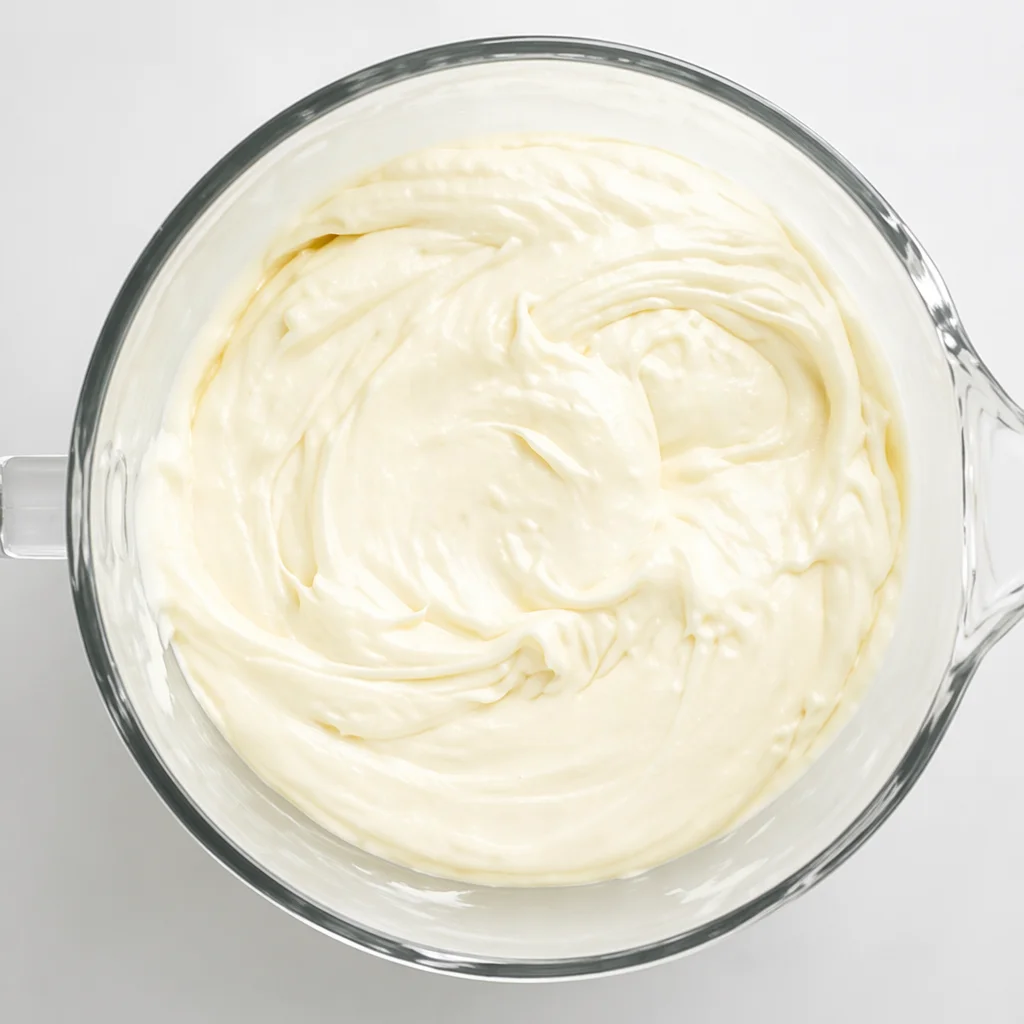
Egg-Free Vanilla Cake
Ingredients
Method
- Step 1: Preheat your oven to 350°F and grease your pan with a parchment circle.
- Step 2: In a bowl, whisk together the flour, sugar, baking powder, baking soda, and salt.
- Step 3: In another bowl, mix the milk, oil, vanilla, and vinegar. Let it sit for a minute.
- Step 4: Pour the wet ingredients into the dry ingredients and stir gently until there are no dry flour spots.
- Step 5: Pour the batter into the prepared pan and tap it lightly to release air bubbles.
- Step 6: Bake for 28 to 35 minutes, until the top springs back and a toothpick comes out clean.
- Step 7: Cool in the pan for 10 minutes, then turn out to cool fully before frosting.
Notes
Name: Yumi HwagByline: Founder & Recipe Developer, YumimealsBio : Yumi tests weeknight-friendly air fryer, slow cooker, and BBQ recipes in a small home kitchen. She focuses on simple steps, real-family testing, and clear food-safety guidance. Contact: [email protected]