
homemade vanilla cake step by step is the kind of thing I end up googling when I have an event coming up, I am low on time, and I still want something that tastes like I actually care. You know that moment when a boxed mix feels too blah, but a fancy bakery cake feels too pricey? That is exactly where this recipe lives. This is my go to homemade vanilla cake when I want soft crumbs, a sweet vanilla smell, and a cake that behaves nicely when you frost it. I will keep it simple, give you the little tricks that actually matter, and walk you through it like we are baking side by side in my kitchen.
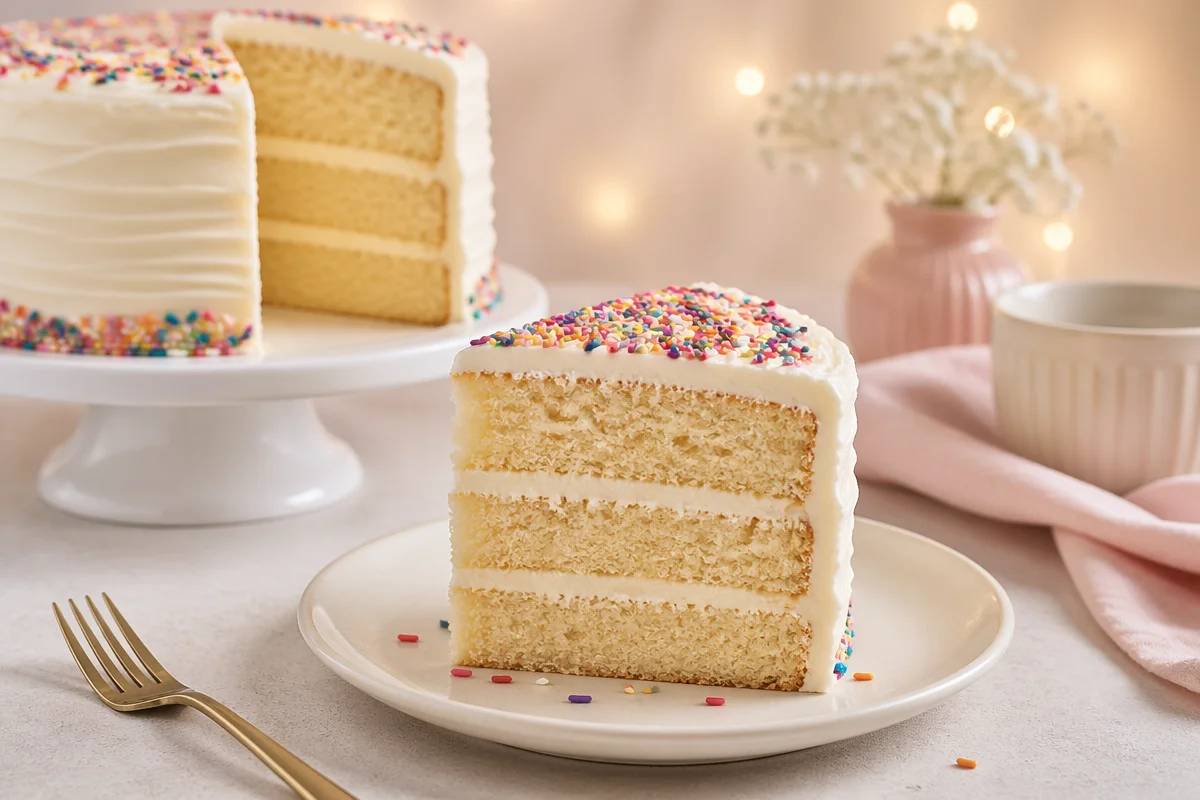
Origins of this vanilla cake
I did not grow up with a single official family cake recipe written on a card, but I did grow up around vanilla cake at every birthday. It was always the “safe” flavor, the one everyone would eat even if they were picky. When I started baking for friends, I realized vanilla cake can be boring fast if it is dry, bland, or too dense.
This version came from a lot of trial and error on lazy weekends. I wanted a homemade vanilla cake that felt classic, not fussy, and still tasted special enough for a celebration. The big goal was a tender texture with real vanilla flavor, plus a batter you can mix without needing a culinary degree.
Also, I am going to be honest, I love recipes that forgive me if I get distracted by a text message. This cake does. It is sturdy enough to layer, soft enough to feel bakery style, and it stays pleasant the next day if you store it right.
Quick note: I was going to link you to a couple helpful posts I have on my site, but your internal link list was empty: []. If you send me 2 URLs, I will add two clickable internal links in the right spots.
Tips for Vanilla Cake success
This is the part that makes the difference between “yeah it is cake” and “wait, you made this?” These are the simple habits I follow every time I bake homemade vanilla cake, especially if I am bringing it somewhere and I cannot risk a flop.
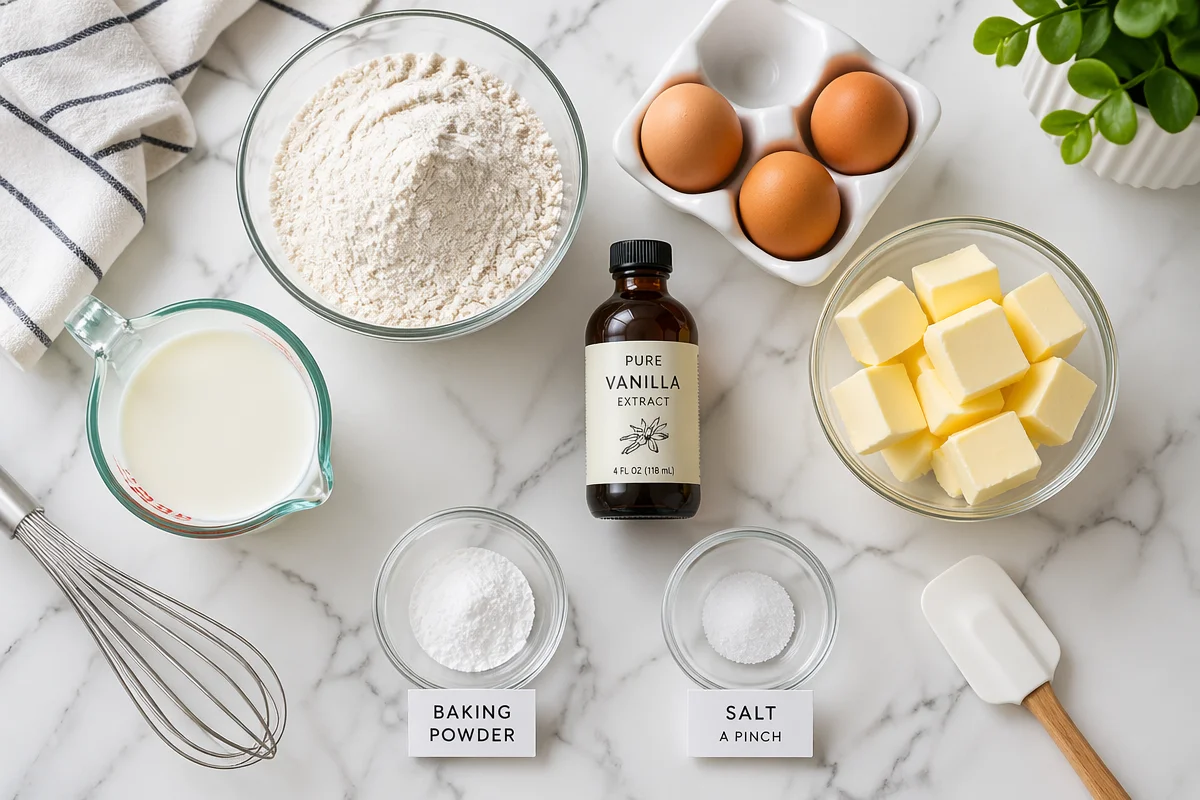
What you will need and why it matters
- Room temperature butter and eggs: helps everything mix smoothly so the cake bakes up even.
- Real vanilla extract: it is the main flavor, so use one you like.
- All purpose flour: keeps it reliable and easy.
- Baking powder: gives the lift without weird taste.
- Milk: makes the crumb soft. Whole milk is best, but 2 percent works too.
- A pinch of salt: makes the vanilla taste louder, not salty.
My biggest tips, in plain language:
Do not overmix. Once the flour goes in, mix just until you do not see dry streaks. Overmixing is how you get a tight, bready cake.
Measure flour gently. If you scoop straight from the bag and pack it down, you can accidentally add too much. If you can, spoon it into the cup and level it.
Use parchment. I still grease the pan, but parchment on the bottom saves you from the heartbreak of a stuck cake.
Do the toothpick test the right way. You want a few moist crumbs, not wet batter. A totally clean toothpick can mean you went a little too far and the cake may dry out as it cools.
And here is my personal drama moment: the first time I made this for a friend, I opened the oven early because I was impatient. The cake sank a bit in the middle. It still tasted good, but now I keep the oven door closed until the timer is close to done. Learn from my chaos.
Different cake pan sizes and bake times
Pan size changes everything. Same batter, totally different bake time. Here is a handy guide so you can make homemade vanilla cake in the pan you actually own, not the pan a recipe assumes you have.
General bake time guidance (always use your oven as the final judge):
- Two 8 inch or 9 inch round pans: about 24 to 32 minutes.
- One 9 by 13 inch pan: about 30 to 40 minutes.
- 12 cupcakes: about 16 to 22 minutes.
- One 10 inch bundt pan: about 40 to 55 minutes, depending on depth.
A few pan tips that save the day:
If you are using dark metal pans, the edges brown faster, so start checking early. If you are using glass, it often bakes a little slower. And if you are making layers, I like to weigh the batter in each pan so they bake evenly. It sounds extra, but it takes 30 seconds and makes stacking way easier.
Cooling matters too. Let the cakes cool in the pan for about 10 minutes, then turn them out to cool fully. If you frost while warm, your frosting will melt and slide around like it is trying to escape.
How do you make a cake from scratch?
This is my simple, no drama method. It is basically the seven steps I follow every time I want a dependable homemade vanilla cake. Put on some music, preheat the oven, and let us do it.
7 simple steps to a delicious homemade vanilla cake
1) Preheat and prep
Heat your oven to 350 F. Grease your pans and line the bottoms with parchment. Lightly flour the sides if you want extra insurance.
2) Mix dry ingredients
In a bowl, whisk flour, baking powder, and salt. This spreads the baking powder evenly so you do not get random bitter pockets.
3) Cream butter and sugar
In a larger bowl, beat softened butter and sugar until it looks lighter and a bit fluffy. This helps with texture, even if you are using a basic mixer.
4) Add eggs and vanilla
Add eggs one at a time, mixing after each. Stir in vanilla. If it looks a tiny bit curdled, do not panic. It usually smooths out once the flour goes in.
5) Alternate flour and milk
Add about one third of the dry mix, then some milk, then repeat, ending with dry ingredients. Mix gently. Stop when it comes together.
6) Bake
Divide batter into pans and smooth the top. Bake until the center springs back lightly and a toothpick comes out with a few moist crumbs.
7) Cool completely, then frost
Cool in pans for 10 minutes, then move to a rack. Frost only when fully cool so your cake stays neat and fluffy.
If you want a slightly stronger vanilla vibe, you can add a tiny splash of vanilla bean paste, but keep it reasonable so it does not overpower the buttery flavor. And if your cake domes a lot, you can level it with a serrated knife once it is cool. I snack on the scraps, obviously.
Ideas for frosting and decorating Vanilla Cake
This is the fun part, because vanilla cake is basically a blank canvas. You can keep it classic or make it look like you spent all day on it, even if you did not.
My go to frosting choices
Buttercream is the classic. It is sweet, easy, and pipes well. If you are a beginner, a simple vanilla buttercream is forgiving and covers mistakes like a charm.
Cream cheese frosting is my favorite when I want a little tang. It balances sweetness and tastes amazing with berries.
Whipped cream frosting feels light and not too sweet, but it is softer, so I use it when I know the cake will stay chilled.
Chocolate ganache turns vanilla cake into a rich dessert fast. Pour it over the top and let it drip down the sides for that bakery look.
Easy decorating ideas that do not require fancy tools:
- Top with fresh strawberries or raspberries and a dusting of powdered sugar.
- Add rainbow sprinkles for a birthday vibe, even if it is a random Tuesday.
- Spread frosting in swirls with a spoon and call it rustic.
- Use a zip top bag as a piping bag and snip the corner off.
One more practical thing: if you are transporting it, chill the frosted cake for 20 to 30 minutes first. It firms up and is less likely to get smudged on the way.
Common Questions
Can I make homemade vanilla cake ahead of time?
Yes. Bake the layers, cool completely, then wrap tightly in plastic wrap. Keep at room temp for 1 day or freeze up to 2 months. Frost after thawing for the cleanest look.
Why did my vanilla cake come out dry?
Usually it is overbaking or too much flour. Start checking early, and measure flour lightly. Also, do not leave it uncovered on the counter for hours.
Can I use oil instead of butter?
You can, but the flavor changes. Butter gives that classic taste. If you want extra moisture, you can do half butter and half neutral oil, but keep the total fat amount the same.
What is the best vanilla to use?
Use a pure vanilla extract you enjoy. If it smells great in the bottle, it will taste great in the cake. Vanilla bean paste is optional for a stronger aroma.
How do I store the frosted cake?
Buttercream cakes can sit covered at cool room temperature for a day. If your frosting has cream cheese or whipped cream, refrigerate it. Let slices sit out a few minutes before eating so the texture softens.
A sweet little wrap up before you bake
If you follow the steps, keep an eye on bake time, and let it cool fully before frosting, you will end up with a homemade vanilla cake that tastes like a real celebration. I love how flexible it is, from cupcakes to layered birthday cakes, and it is one of those recipes you can make once and remember forever. If you want to compare notes with other trusted recipes, I genuinely like this one from My very best Vanilla Cake – stays moist 4 days! – RecipeTin Eats and this beginner friendly option from Easy Vanilla Cake Recipe – Allrecipes. Now go preheat that oven and make your kitchen smell amazing, and if you add your own twist, tell me about it because I always want new ideas.
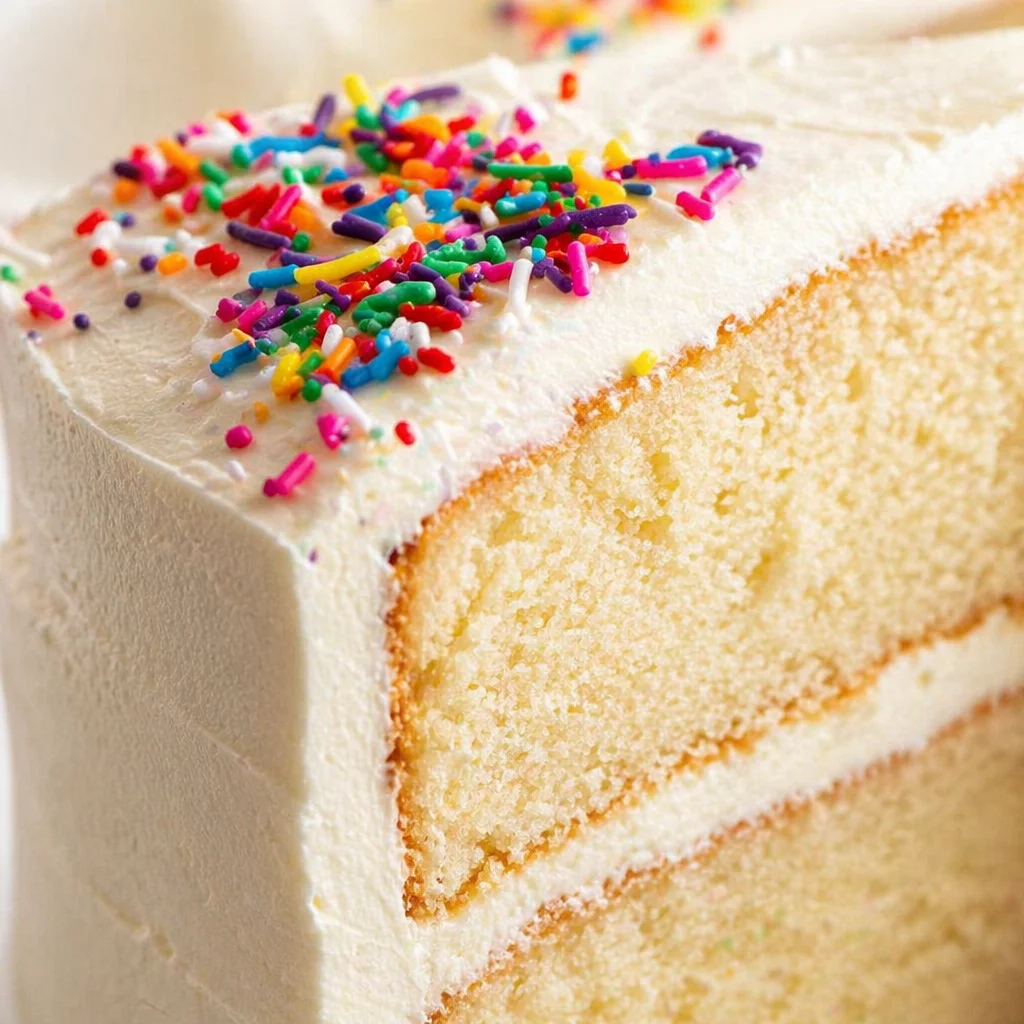
Homemade Vanilla Cake
Ingredients
Method
- Preheat your oven to 350°F (175°C) and grease the cake pans.
- Line the bottoms with parchment paper and lightly flour the sides.
- In a bowl, whisk flour, baking powder, and salt together.
- In a larger bowl, beat softened butter and sugar together until light and fluffy.
- Add eggs one at a time, mixing well after each addition. Stir in vanilla.
- Gradually add the dry ingredients to the creamed mixture, alternating with the milk until just combined.
- Divide the batter evenly into the prepared pans and smooth the tops.
- Bake in the preheated oven for 24 to 32 minutes, or until a toothpick inserted in the center comes out with a few moist crumbs.
- Let the cakes cool in the pans for 10 minutes before transferring to a wire rack to cool completely.
- Frost only when completely cooled.
Notes

Name: Yumi HwagByline: Founder & Recipe Developer, YumimealsBio : Yumi tests weeknight-friendly air fryer, slow cooker, and BBQ recipes in a small home kitchen. She focuses on simple steps, real-family testing, and clear food-safety guidance. Contact: [email protected]