
gluten free cake recipe panic is real, especially when you promised to bring dessert and suddenly remember your go to cake mix is off limits. I have been there, standing in my kitchen, reading labels like it is a thriller novel. The good news is you can absolutely make cakes that taste like, well, cake. Not a dry brick, not a sad compromise. Below are five of my favorite gluten free cake recipes to try when you want something reliably delicious, plus the little tricks that keep them soft and bakery worthy.
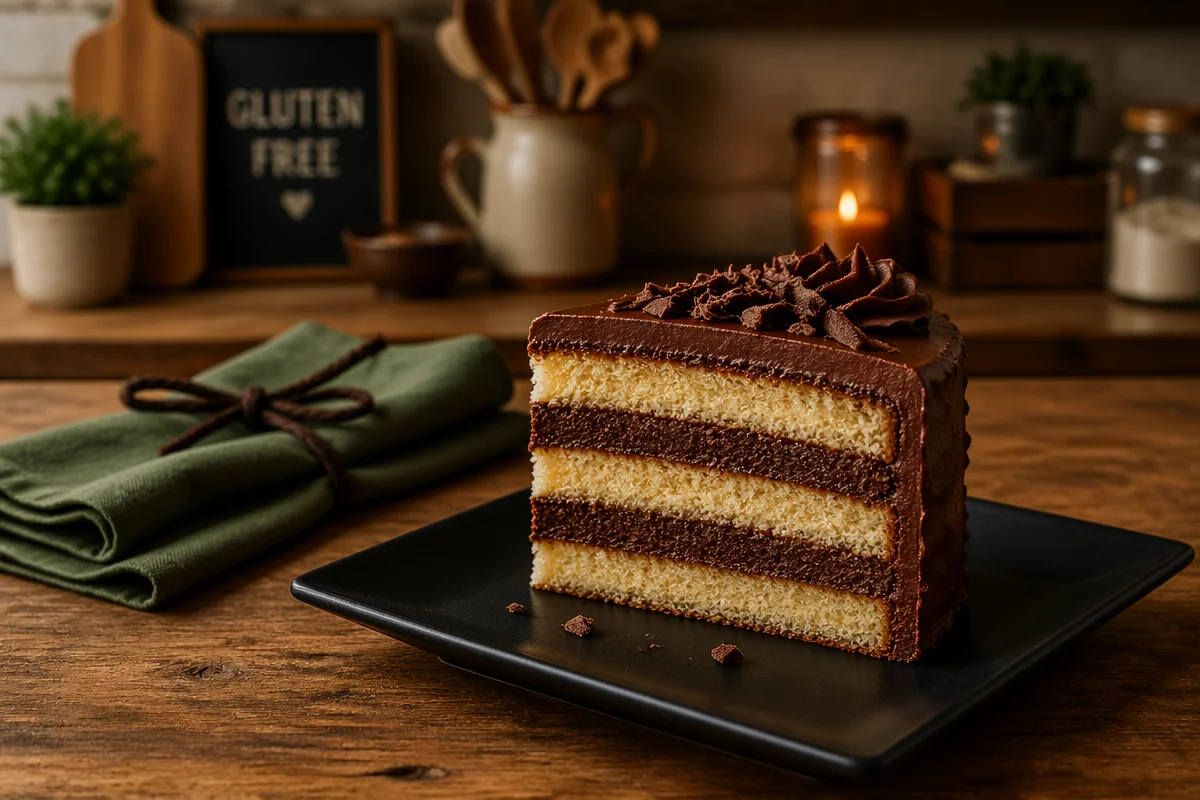
Why Following the Directions Matters When Baking a Gluten Free Cake
I know, I know. We all like to freestyle a bit. But gluten free baking is one of those places where directions are not just suggestions. Gluten is normally what helps trap air and gives structure, so when it is gone, the order of steps and the exact amounts really matter.
Here is what I have learned the hard way after a few crumbly disasters.
My 5 Irresistibly Delicious Gluten Free Cake Recipes to Try!
- Vanilla Birthday Cake: soft crumb, classic flavor, great with buttercream or whipped cream.
- Fudgy Chocolate Layer Cake: deep cocoa taste, stays moist for days.
- Lemon Olive Oil Cake: bright, lightly fruity, and it somehow tastes fancy with very little effort.
- Carrot Cake with Cream Cheese Frosting: cozy spices, loads of texture, and it is basically impossible to stop eating.
- Almond Berry Snack Cake: easy one pan situation, perfect with coffee, and amazing warm.
For all of these, I stick to a simple routine: preheat fully, measure carefully, mix as directed, then let the cake cool before frosting. That cooling part is huge. A gluten free cake needs a little time to set, otherwise it can fall apart when you slice it.
Also, if your recipe says to let the batter rest for 10 minutes, do it. That short rest helps the flour blend hydrate so the cake bakes up smoother and less gritty.
One more helpful thing: keep your oven temperature honest. I keep a cheap oven thermometer inside because my oven runs hot. When gluten free cakes overbake, they go from tender to dry fast.
If you want more baking basics that pair well with these cakes, I usually keep a few simple dessert ideas bookmarked, like easy gluten free dessert swaps when I need last minute inspiration.
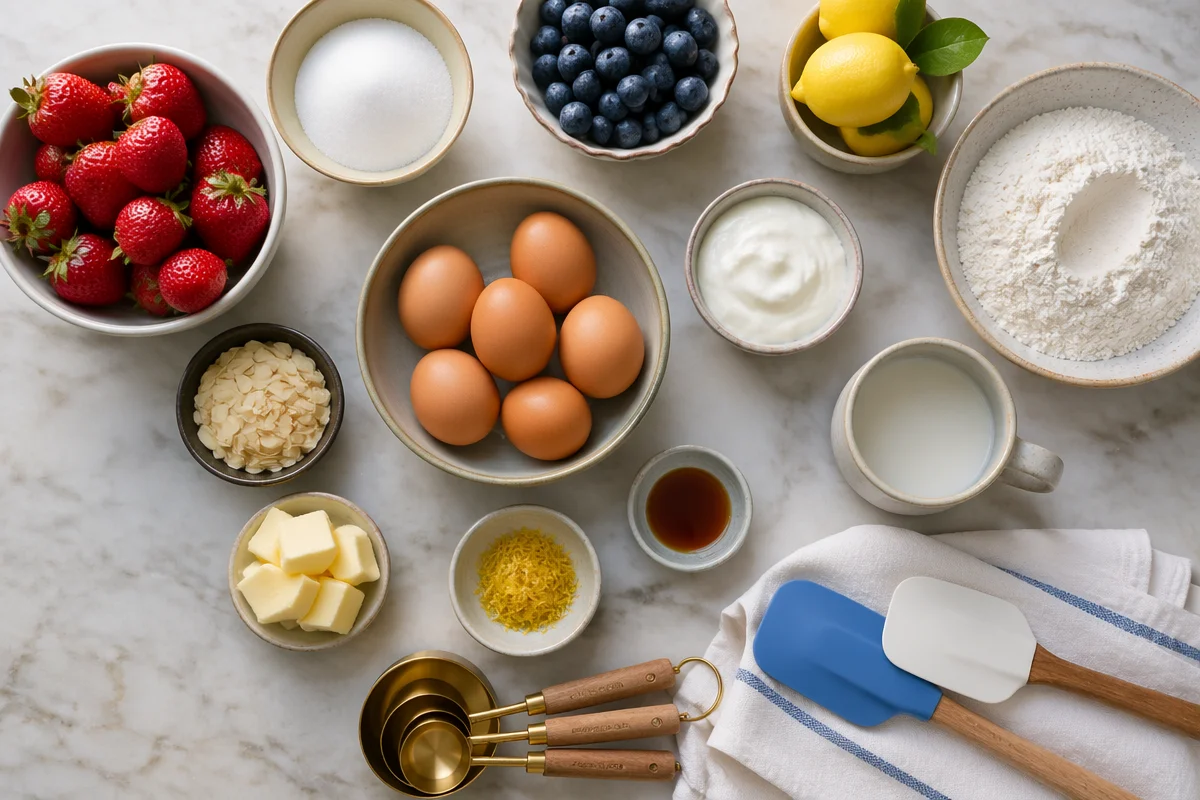
How to Make Ingredient Substitutions in The Best Gluten Free Cake Recipe
Sometimes you are missing an ingredient and you just want to make the cake anyway. I get it. Substitutions are possible, but you want to make them thoughtfully so the cake still bakes right.
Here are my most common swaps that actually work in a typical gluten free cake recipe.
- Butter: swap with a neutral oil (like avocado or canola) at about 3/4 the amount. Oil keeps cakes moist, but butter gives flavor. If you use oil, add a splash of vanilla or extra citrus zest for flavor.
- Milk: dairy milk, almond milk, oat milk, and coconut milk all work. Just choose unsweetened so your cake does not turn oddly sweet.
- Eggs: if you need egg free, try a flax egg for snack cakes and carrot cake. For layer cakes, eggs help structure more, so results can vary. Another option is a store bought egg replacer meant for baking.
- Sugar: you can reduce sugar slightly in most cakes, but do not cut it in half. Sugar helps with moisture and tenderness, not just sweetness.
One substitution I do not recommend casually is changing the flour blend without checking if it already has xanthan gum. If your blend does not have a binder and the recipe assumes it does, you can end up with a cake that crumbles like sand.
I also keep a quick reference page for baking substitutions so I do not have to rely on memory when I am tired. If you are like me and bake on impulse, this kind of cheat sheet is handy: simple baking substitution guide.
And just to be super clear, when you are adapting a gluten free cake recipe, change one thing at a time. If you swap the flour, the fat, and the eggs all at once, it is hard to tell what caused the result you liked or hated.
The best flour blend
Let us talk flour, because this is the make or break part. When people tell me gluten free cakes taste weird, it is usually the flour blend. A good blend tastes neutral and bakes up soft, not gritty or bean flavored.
In my kitchen, the best all purpose blends for cake usually include a mix of:
Rice flour for structure, starch for lightness (tapioca or potato), and sometimes sorghum or oat flour for a more “real cake” flavor. The goal is balance. Too much starch and the cake can feel gummy. Too much whole grain flour and it can feel heavy.
My personal rule: pick one dependable flour blend for cakes and stick with it until you really know how it behaves. Different brands absorb liquid differently, so switching around can feel like starting over every time.
And yes, you can make your own blend, but if you are newer to gluten free baking, starting with a trusted blend is less stressful. Then once you find your favorite gluten free cake recipe, you can tweak from there.
Quick tip for better texture: sift your dry ingredients if your blend feels lumpy. It sounds fussy, but it makes a real difference in lighter cakes like vanilla and lemon.
How do you make a gluten-free cake more moist?
This is the question I get the most, and honestly it is the reason people fall in love with gluten free cake recipes that actually work. Moisture is not just about adding more liquid. It is about using the right ingredients and baking the right amount of time.
Here are my go to ways to keep a gluten free cake moist:
Use oil or a mix of butter and oil. Butter brings flavor, oil holds moisture longer. In chocolate cake, I almost always use oil.
Add sour cream or yogurt. Even a couple of spoonfuls helps the crumb stay tender. Dairy free yogurt works too.
Do not overbake. Pull the cake when a toothpick comes out with a few moist crumbs, not totally dry. The cake keeps cooking a bit as it cools.
Let it cool fully before slicing. If you cut too soon, steam escapes and you lose moisture.
Store it right. Wrap the cake well or keep it in an airtight container. Gluten free cake can dry out faster if left uncovered.
For my lemon olive oil cake, I like to brush the warm cake with a simple lemon syrup. It takes two minutes and makes it taste like it came from a cute cafe. For carrot cake, the cream cheese frosting does a lot of moisture work for you, so do not be shy with it.
Which gluten-free flour is best for cakes?
If you want a simple answer, a good all purpose gluten free blend made for baking is usually best for cakes. But if you want to play around a bit, here is how I think about it.
For fluffy layer cakes, I like blends based on rice flour plus tapioca or potato starch. They give that classic birthday cake vibe without weird flavors.
For rich cakes like chocolate, you can get away with a little heavier flour because cocoa brings so much flavor. I still use a blend, but sometimes I replace a small portion with almond flour for extra softness.
For snack cakes, almond flour and oat flour can be great. Almond flour adds moisture and a tender bite. Oat flour tastes cozy and mild. Just make sure your oat flour is certified gluten free if you need it for allergy or celiac safety.
One more thing: coconut flour is tricky for cakes. It soaks up a ton of liquid and usually needs lots of eggs. I use it only in recipes designed specifically for it, not as a casual swap.
When you land on a flour you like, stick with it and build your favorites from there. It makes every gluten free cake recipe feel more predictable, and that is a nice feeling when you are baking for friends or family.
Common Questions
1) Can I make these cakes ahead of time?
Yes. Most of these gluten free cake recipes taste even better the next day. Bake, cool, wrap well, and frost the next day for the cleanest slices.
2) Do I need xanthan gum?
Only if your flour blend does not already include it. Check the label. If it is not included, many cakes do better with a small amount to help hold together.
3) Why did my cake sink in the middle?
Usually it is underbaked, the oven temp was off, or the batter was overmixed. Also, opening the oven door too early can cause sinking.
4) Can I freeze gluten free cake?
Absolutely. Wrap unfrosted layers tightly and freeze for up to 2 months. Thaw at room temp still wrapped, then frost.
5) What frosting pairs best with these?
Vanilla and chocolate love buttercream. Lemon cake is amazing with a simple glaze. Carrot cake basically demands cream cheese frosting.
A sweet little pep talk before you bake
If you have been nervous to bake, I promise it gets easier once you find a couple of reliable gluten free cake recipes and stick with them. Follow the steps, use a flour blend you trust, and do not rush the cooling time. If you want more inspiration, I genuinely like this Best Gluten Free Cake Recipe – delicious, light & easy! – gfJules because it is straightforward and dependable. And if chocolate is your love language, this Gluten Free Chocolate Cake – Eat With Clarity is a great one to keep in your back pocket. Now go pick a cake, preheat that oven, and make your kitchen smell like something wonderful.
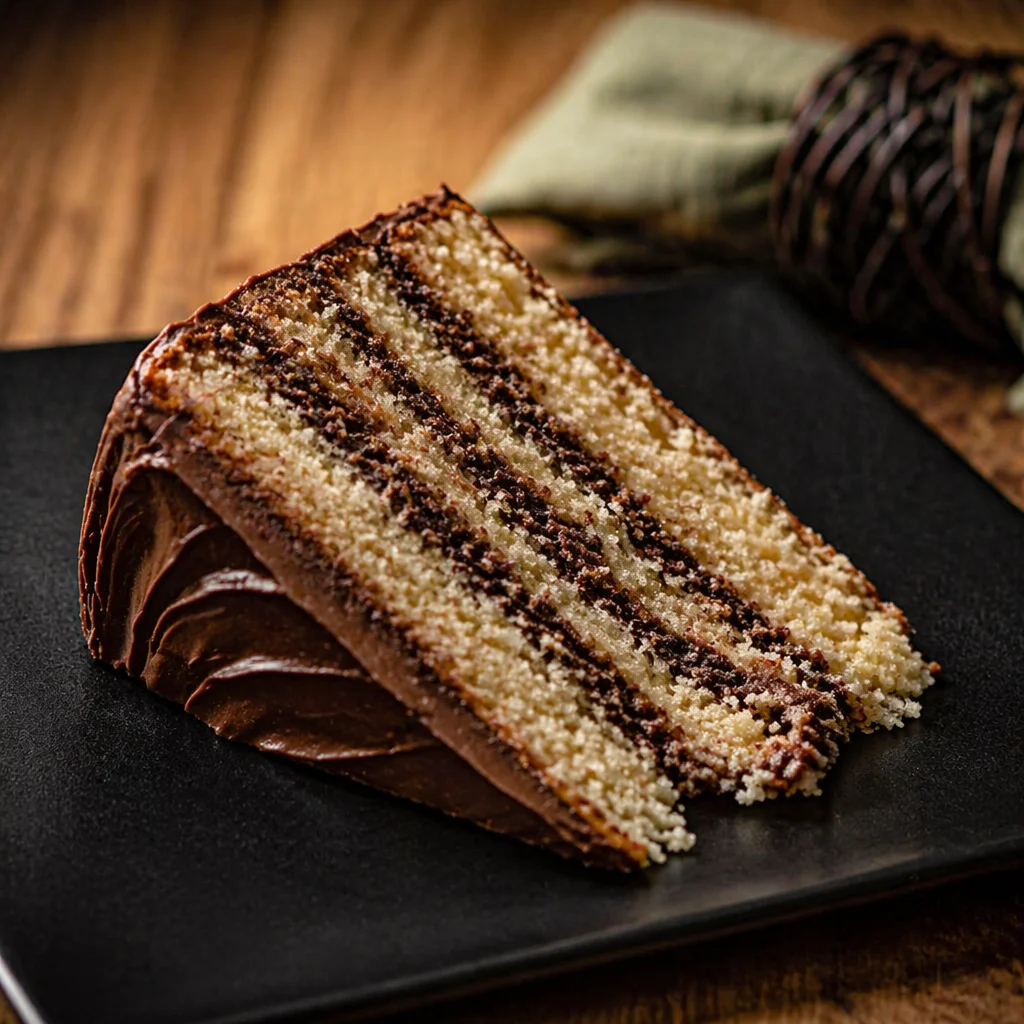
Gluten Free Cake
Ingredients
Method
- Preheat your oven fully to the required temperature.
- Measure all ingredients carefully.
- Mix ingredients as directed for each cake.
- Let the batter rest for 10 minutes if specified.
- Pour batter into prepared pans and bake for the recommended time.
- Check for doneness by inserting a toothpick.
- Let the cake cool completely before frosting.
- Slice and serve once cooled.
- Store any leftovers in an airtight container.
Notes
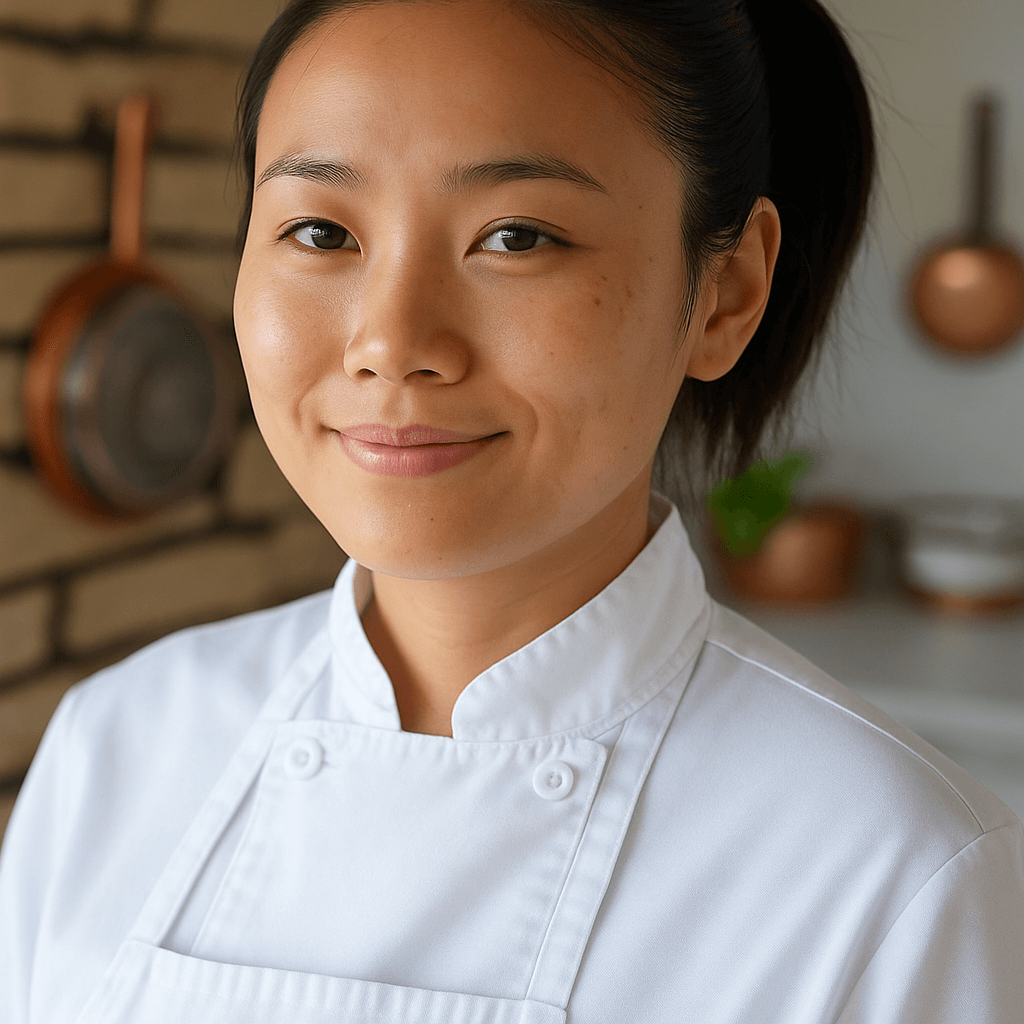
Name: Yumi HwagByline: Founder & Recipe Developer, YumimealsBio : Yumi tests weeknight-friendly air fryer, slow cooker, and BBQ recipes in a small home kitchen. She focuses on simple steps, real-family testing, and clear food-safety guidance. Contact: [email protected]